What issues should be noted when using plastic toolboxes
When using a plastic toolbox, the following issues should be noted:
1. Load limit:
Understand the load-bearing capacity of the toolbox and avoid placing heavy items to prevent deformation or even breakage of the toolbox due to exceeding its load capacity. For example, if the nominal load-bearing capacity of a regular plastic toolbox is 20 kilograms, tools and items exceeding this weight sh
When using a plastic toolbox, the following issues should be noted:
1. Load limit:
Understand the load-bearing capacity of the toolbox and avoid placing heavy items to prevent deformation or even breakage of the toolbox due to exceeding its load capacity. For example, if the nominal load-bearing capacity of a regular plastic toolbox is 20 kilograms, tools and items exceeding this weight should not be placed inside.
2. Avoid high temperature environments:
Plastic is prone to deformation, softening, and even melting at high temperatures. Therefore, do not place plastic toolboxes in direct sunlight or near heat sources such as heaters or stoves for extended periods of time. During high temperatures in summer, the temperature inside vehicles parked outdoors may rise sharply, and do not place plastic toolboxes inside the car.
3. Preventing damage from sharp objects:
If there are sharp tools in the toolbox, such as screwdrivers, pliers, etc., they should be placed properly to avoid direct contact with the inner wall of the toolbox, so as not to puncture the plastic and damage the toolbox when moving or colliding. Sharp tools can be wrapped with tool bags or foam pads for protection.
4. Handle with care:
Although plastic toolboxes have a certain level of strength, they should still be avoided from rough impacts and collisions during use. Especially when handling toolboxes, be careful and handle with care to prevent plastic breakage or damage to connections due to severe impact. For example, when lifting a toolbox from a high place, it should be slowly lowered rather than thrown directly.
5. Cleaning and maintenance:
Regularly clean the toolbox, remove dust, oil stains and other stains, and keep it clean. Gentle cleaning agents and soft cloths can be used for wiping, avoiding the use of highly corrosive cleaning agents to prevent damage to the plastic surface. At the same time, attention should be paid to inspecting various parts of the toolbox, such as handles, locks, hinges, etc., to ensure their normal function. If there is any damage, it should be repaired or replaced in a timely manner.
6. Reasonable storage of items:
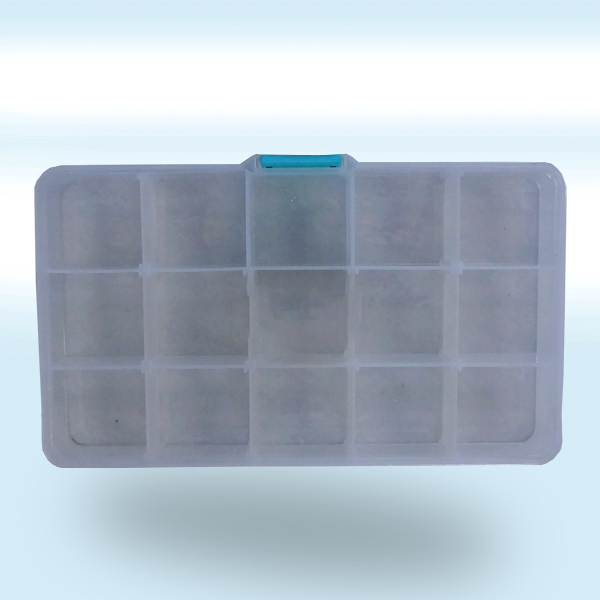
Classify and store tools to avoid disorderly stacking. You can use dividers or toolboxes to separate different types of tools for easy searching and use. Meanwhile, it is important to avoid putting liquid items directly into the toolbox to prevent leakage and damage to the tools and toolbox. If you need to store some small parts, you can use sealed bags or small boxes for packaging to prevent them from being lost.
7. Waterproof and moisture-proof:
Although some plastic toolboxes have certain waterproof properties, it is still advisable to avoid contact with water or humid environments as much as possible during use. If the toolbox is accidentally soaked in water, it should be wiped dry in a timely manner and placed in a ventilated and dry place to dry, so as to prevent the internal tools from rusting or the plastic from moldy.
8. Stay away from chemicals:
Plastic is easily corroded by chemicals, so it is important to avoid placing toolboxes with chemical reagents, solvents, and other items. If it is inevitable to come into contact with these chemicals in the work environment, appropriate protective measures should be taken, such as placing toolboxes in isolated areas or using protective covers.





 Home
Home
 Product
 Wechat
 Telephone